How we assess products
Most sites that compare products claim to have “tested for two weeks” every model they cover. When a catalog runs to dozens of products, that’s arithmetically false. We’d rather tell you what we actually do.
What we do
We verify specs at the source. Every number in our spec sheets comes from official manufacturer documentation, recorded and dated. Not a copied press release, not another site that copied it first.
We apply an identical grid to every model. The same standard spec sheet, the same rating criteria, from entry-level to flagship. That’s what makes the comparison honest: without a shared grid, comparing two products just means comparing two marketing pitches.
We track prices regularly. The manufacturer price is a commercial fiction: what matters is the real price, and above all the right price — the level you shouldn’t expect to go below.
We cross-check against field feedback. Published independent tests, user feedback on recurring flaws, reliability issues reported after months of use. That’s where the gaps between the spec sheet and real life show up.
What we don’t do
We don’t invent test results. When we haven’t measured something ourselves, we don’t claim otherwise. A site that publishes “test results” for dozens of machines it has never had in hand is lying to you — and Google eventually notices.
We don’t paper over data gaps. When a manufacturer doesn’t disclose a value, our spec sheet shows “Not disclosed.” That’s information in itself: a manufacturer who withholds a figure rarely has a good reason to.
We don’t rate what we can’t assess. Our ratings cover what’s objective and comparable. They don’t claim to capture what only shows up over time: three-year reliability, or the quality of after-sales support.
Why this method beats a fake test
A real test of a single product doesn’t tell you which one to buy out of all the others. Our value isn’t in unboxing a machine: it’s in reading a lineup that’s deliberately hard to parse, where the names all sound alike and price doesn’t order quality.
That’s the work that reveals when a model twice the price performs worse than another, or when last year’s discounted model is still the best buy right now. No two-week test reveals that. Only a grid applied across the whole lineup does.
Our independence
The most obvious commercial interest, for any retail-adjacent site, is to steer you toward the most expensive model. Our conclusions do the opposite whenever the numbers demand it.
That’s the only independence test worth applying: check whether a site’s conclusions cut against its own most immediate interest.
Frequently asked questions
Do you physically test every product?
We say so when we do, and we say so when we don’t. Our work is primarily documented comparative analysis: specs verified at the source, prices tracked regularly, cross-checked against user feedback and published independent tests. When a figure isn’t disclosed by the manufacturer, we write that instead of inventing it.
Do your ratings favor the more expensive models?
No. Our ratings come from a public grid applied to the same criteria for every model. It regularly produces conclusions unfavorable to flagship models — the very products that would earn us the most.
How do you fix a mistake?
Every page carries its update date. An incorrect figure is fixed in the catalog, which updates the product review and the comparison table in one move — they read from the same source and can’t contradict each other.
The best picks right now
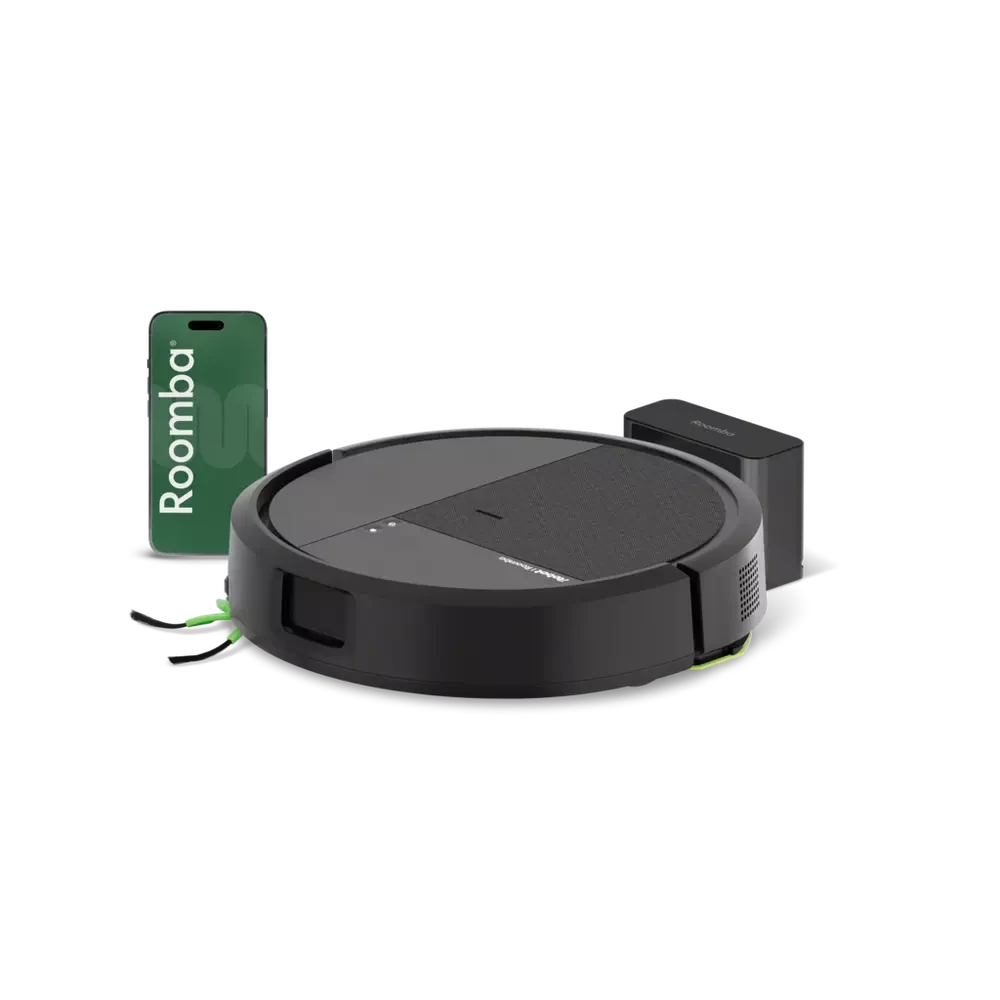
iRobot Roomba 115 Combo
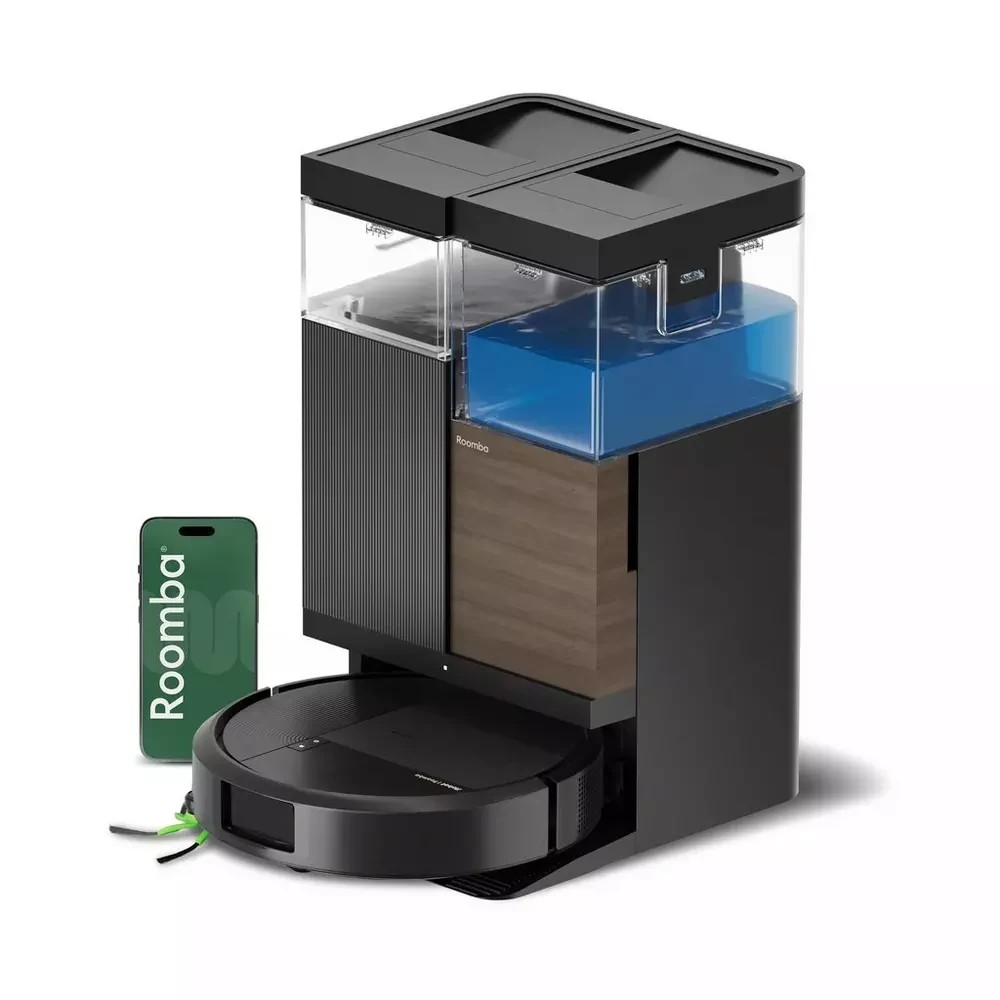
iRobot Roomba Plus 575 Combo